Page Springs Cellars and the Cornville creek road, Arizona's only real wine lane
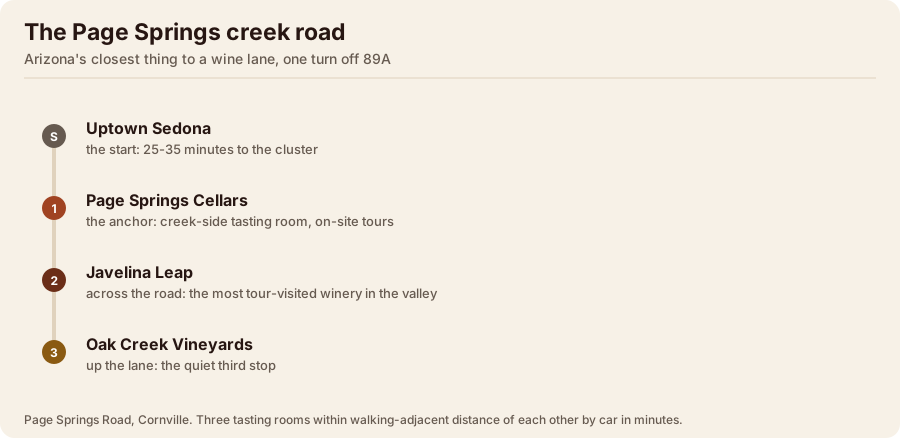
Three wineries on one two-lane road, about half an hour southwest of Uptown Sedona. This is the closest thing Arizona has to a wine lane, and it rewards a plan.
 By Patricia Collins, Sedona wine tour specialist & Verde Valley experience guide
Short answer
Page Springs Cellars, Javelina Leap and Oak Creek Vineyards sit on one short stretch of creek road in Cornville, roughly 25 to 35 minutes southwest of Uptown Sedona. Page Springs runs booked cellar and estate tours priced from $22 to $57, and most Sedona wine tours stop at one or two of the three.
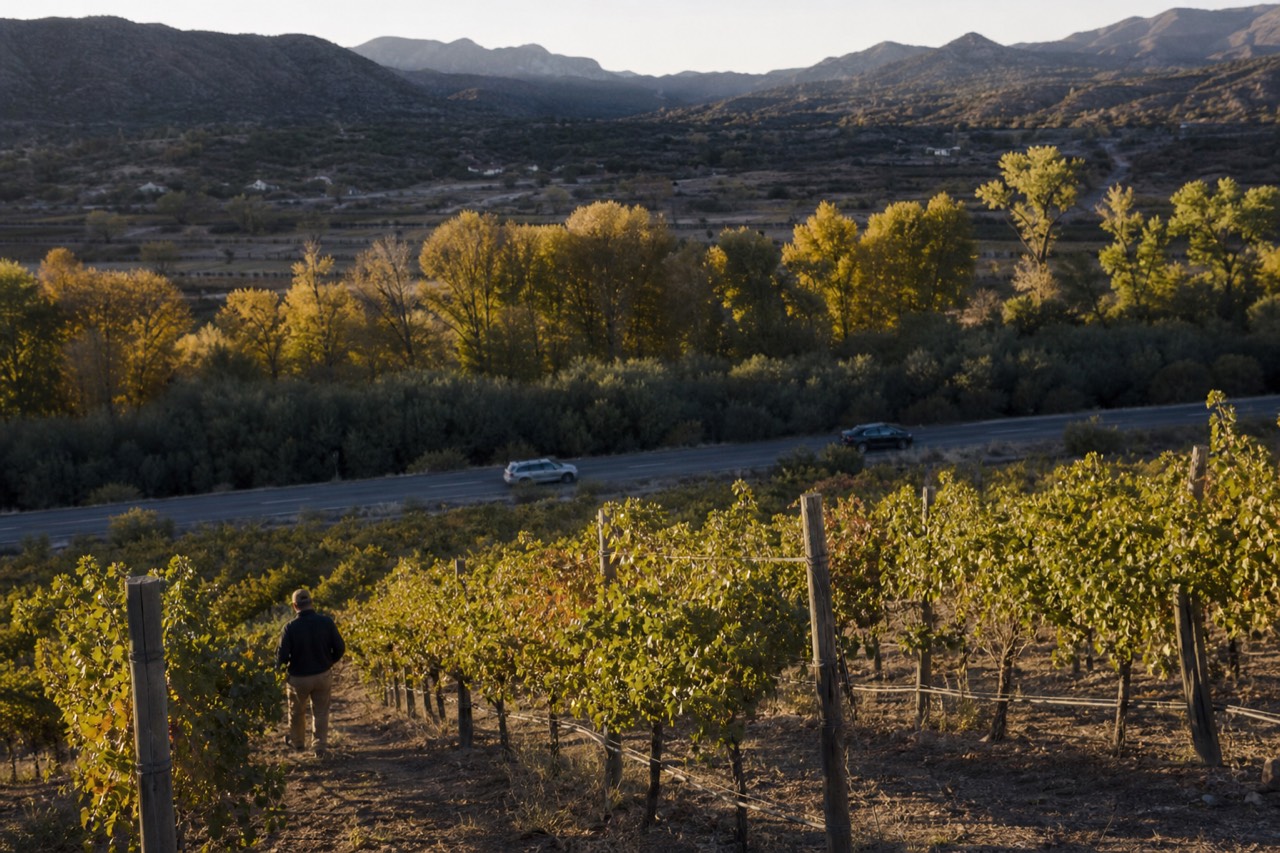
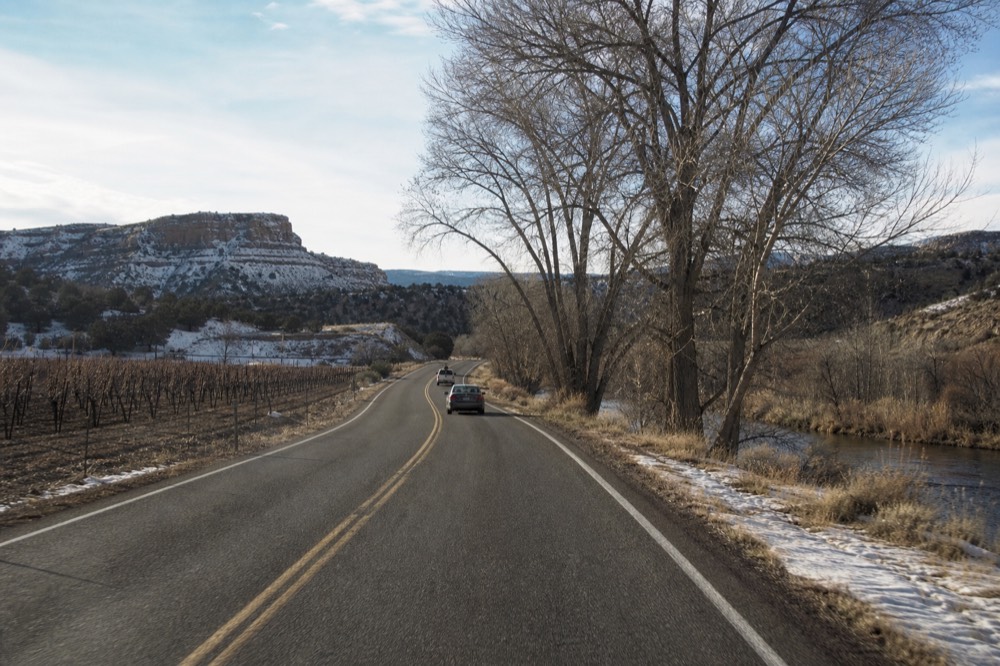
The turn off 89A does not look like a wine region. You drop out of the red rock, the road narrows, cottonwoods lean in over the pavement, and then there is a gravel lot with a tasting room at the end of it. That is Page Springs Cellars. Directly across the road sits Javelina Leap. A short way further along the lane, Oak Creek Vineyards. Three working wineries close enough that you could walk between them, on a shoulderless road where you absolutely should not.
Sedona has tasting rooms. It has almost no vines. Everything that gets poured up in town was grown somewhere down here, and this narrow green corridor between Page Springs and Cornville is where the most of it happens in the smallest space. If you only have one afternoon for Arizona wine, this is the stretch of road to spend it on.
Where exactly is the Page Springs and Cornville wine cluster?
The cluster sits southwest of Sedona in the Verde Valley AVA, roughly 25 to 35 minutes from Uptown by car. You leave town on 89A, drop out of the red rock into a creek bottom, and find Page Springs Cellars, Javelina Leap and Oak Creek Vineyards along one short two-lane road, with D.A. Ranch nearby.
The geography is the whole story. Sedona sits at elevation on sandstone, which is beautiful and useless for grapes. The Verde Valley below it is where the vines went, and the federal government made that official on November 9, 2021, when the Verde Valley became Arizona's third American Viticultural Area and the 260th in the country. Roughly 200 square miles, about 125 planted acres, 24 vineyards and 11 wineries feeding 25 tasting rooms spread across Cottonwood, Cornville, Page Springs, Camp Verde, Clarkdale and Jerome.
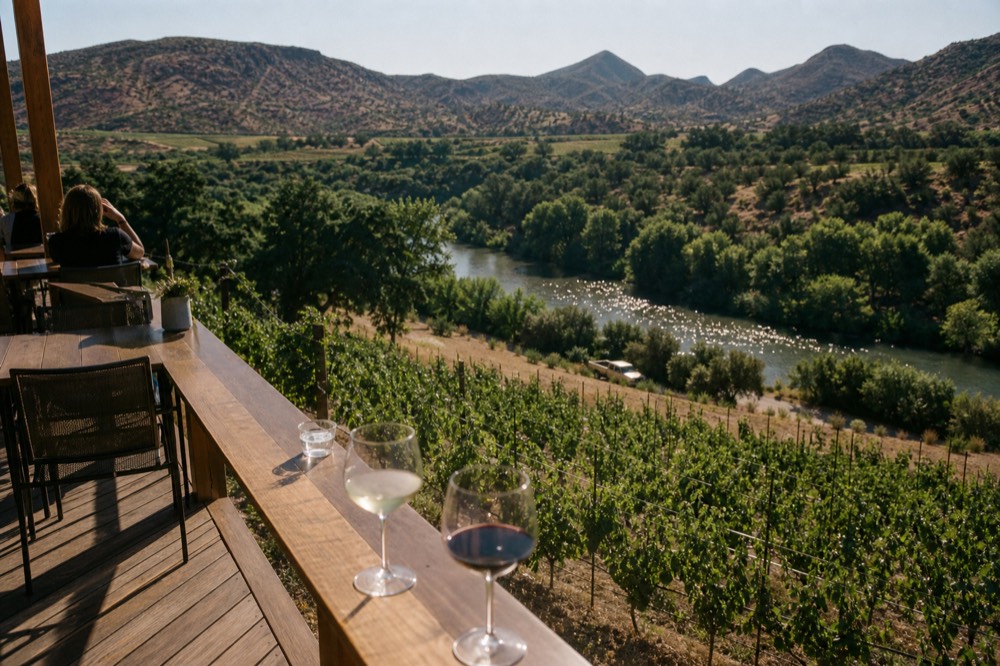
Those 25 rooms are not evenly spread. Most of them are storefronts in town, in the walkable Old Town Cottonwood strip or up the hill in Jerome. The creek road is different. Here the tasting rooms sit on the land that grew the fruit, which means you can see the block a wine came from while you drink it. That sounds like marketing until you actually stand on the terrace at Page Springs and look down the rows.
The drive matters more than people expect. It is not far in miles, but 89A out of Sedona is a road with a personality, and the return leg after four or five tastings is the part guests always underestimate.
| From Uptown Sedona to | Approximate drive | What is there |
|---|---|---|
| Page Springs / Cornville cluster | 25-35 min | Page Springs Cellars, Javelina Leap, Oak Creek Vineyards, D.A. Ranch |
| Old Town Cottonwood | ~30 min | Storefront tasting rooms on one walkable street |
| Alcantara Vineyards, Camp Verde | ~35 min | River-confluence estate, kayak takeout |
| Clarkdale depot | ~40 min | Verde Canyon Railroad platform |
| Jerome | ~45 min | Hillside tasting rooms, Caduceus Cellars |
| Phoenix or Scottsdale | ~2 hours to Sedona | The main feeder drive into the region |
Why is Page Springs Cellars the winery that put Arizona wine on the map?
Page Springs Cellars is the anchor of the Verde Valley scene: a working estate winery with terraced vines above a creek, a full bistro, live music, and scheduled cellar and estate tours you can book directly. It is the one address most visitors have heard of before they arrive, and the one most likely to convert a sceptic.
Arizona wine had an image problem for a long time. The short version of how that changed is that a handful of producers proved the Verde Valley could grow Rhone and Italian varieties properly, and Page Springs was loudest and most visible about it. Syrah, Sangiovese, Barbera, Malvasia Bianca, Petite Sirah, Picpoul Blanc: warm-climate grapes that suit a 175 to 200 day growing season at elevation better than anything you would plant in Napa. What the region is actually known for pouring covers the varieties in plain terms.
What separates it from a storefront pour is that the winery invites you into the production side. There are scheduled tours through the cellar and out into the estate blocks, priced separately from the bar, and they run on a published schedule rather than on whether someone is free. You can look at the current tour lineup on the winery's own site before you drive down.
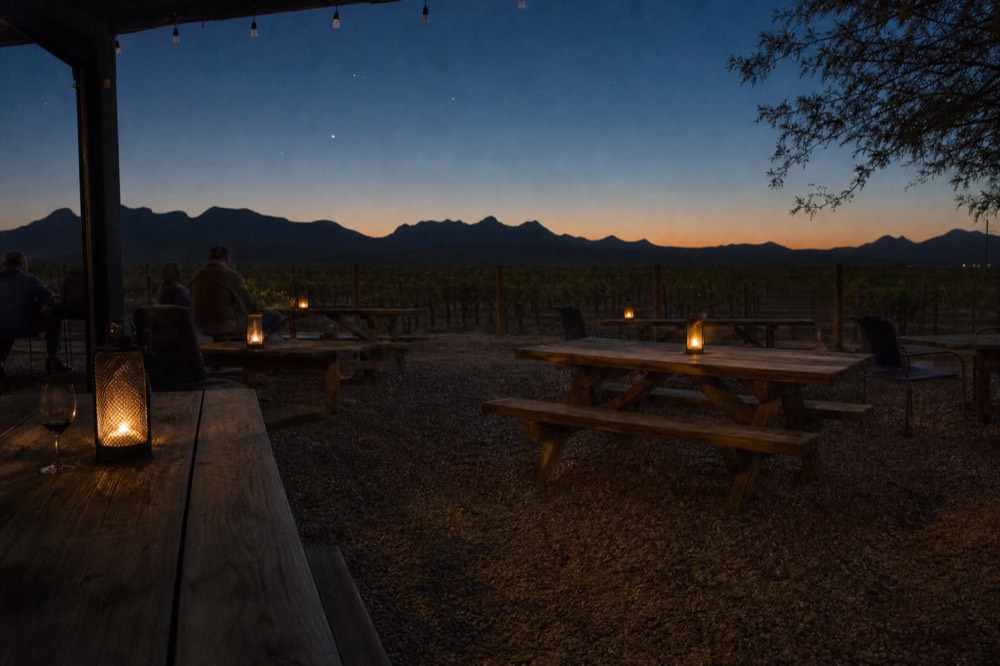
The other thing to know is that it functions as an evening venue, not just a daytime tasting stop. The tasting room and bistro run to 8pm Thursday through Saturday and to 6pm Sunday through Wednesday, and there is a regular events calendar with live music. Late August 2026 has a Sip and Crave evening on the 20th, and the harvest tours begin mid-August. That Thursday-to-Saturday late close is the single most useful scheduling fact on this page, because it is the only thing in the cluster that lets you build an evening rather than an afternoon.
| Day | Tasting room and bistro |
|---|---|
| Sunday | 11am-6pm |
| Monday | 11am-6pm |
| Tuesday | 11am-6pm |
| Wednesday | 11am-6pm |
| Thursday | 11am-8pm |
| Friday | 11am-8pm |
| Saturday | 11am-8pm |
What do the Page Springs Cellars tours actually cost?
Page Springs runs three named tours at published prices. The Summer Cellar Tour is $39 with four tastings or $22 without. The Estate Winery Tour is $45 with five tastings or $25 without. The Harvest Estate Winery Tour, which starts mid-August, is $57 with five tastings or $37 without. Ages 12 to 17 go free on the non-tasting version.
That price ladder is worth reading properly, because it answers a question almost nobody thinks to ask: what do you do with a family member who is not drinking? The non-tasting rate exists for exactly that, and the free 12 to 17 band means a teenager can walk the estate with you instead of sitting in the car. In a region where every tasting is 21-plus with ID, a winery that has thought about the non-drinker is doing something most have not.
The harvest version is the one to aim at if your dates allow. It costs more because the winery is actually working during it, and there is a difference between walking past a quiet crush pad and walking past one that is running.
| Page Springs Cellars tour | With tastings | Without tastings | Worth knowing |
|---|---|---|---|
| Summer Cellar Tour | $39 | $22 | Four pours on the tasting version, ages 12-17 free without |
| Estate Winery Tour | $45 | $25 | Five pours, walks the estate blocks as well as the cellar |
| Harvest Estate Winery Tour | $57 | $37 | Five pours, runs from mid-August when the fruit is coming in |
Here is the honest catch. Those prices are for the winery's own tour, booked with the winery, and they sit on top of getting yourself there and back. That is a fine plan if one person in your group is happy to stay dry for four hours. If nobody is, the arithmetic changes, and the shared run that includes every tasting fee plus a made-to-order lunch starts to look less like a splurge and more like the sensible option, so it is worth a look at what the all-inclusive Page Springs day currently costs before you commit to driving yourself.
What is Javelina Leap like, and is it worth crossing the road for?
Javelina Leap Vineyard, Winery and Bistro sits directly across the road from Page Springs Cellars, which makes it the easiest add-on in Arizona wine. It has food on site as well as a tasting bar, and it is the single most-visited winery in the Sedona tour market: six of the twelve tours in our lineup stop there.
Pairing these two is the default move for a reason. You are not driving between them. You are crossing a road. That means a guided group can spend real time at both without burning an hour in transit, and it means a self-driving pair can split the day cleanly: one of you tastes at the first stop, the other at the second, and neither of you has to be the designated driver for the whole afternoon.
I will not print a tasting fee for Javelina Leap here, because I do not have a current published figure I trust, and a wrong number costs you more than a missing one. Ask at the bar or check when you book. What I can tell you is that the fee is a live question on the self-drive plan and a settled one on most tours, since the listing tells you whether tastings are included before you pay.
The bistro is the part people forget to use. Wine tasting on an empty stomach at Verde Valley elevation is how a good afternoon turns into a bad evening, and the two creek-road wineries with kitchens are the reason this cluster is easier to do responsibly than the storefront strips.
Should you add Oak Creek Vineyards to the same run?
Oak Creek Vineyards and Winery is the third stop on the same lane, a short drive up from the Page Springs and Javelina Leap pair. Three of the twelve tours in our lineup stop there, and it tends to appear on the longer full-day itineraries rather than on the three-hour express runs.
Adding it turns a two-stop afternoon into a proper three-winery day, and it changes the character of the outing. Two stops is a tasting. Three stops is a decision: after the third you actually have a view on what Verde Valley fruit does, because you have tried the same varieties made by different hands within a mile of each other. That comparison is the reason to come down here rather than drink Arizona wine in an in-town Sedona tasting room.
It is also the point where pacing stops being optional. Three tasting flights is a lot of wine in a short window, and the drive back up 89A into Sedona is uphill, winding, and often into low sun. If your plan involves all three wineries and no driver, the honest answer is that this is a guided day, not a self-drive one.
Where Oak Creek earns its slot is on the private itineraries. A private ride can give you a full hour at each of three wineries instead of a rushed forty minutes, and one listing in the lineup does exactly that across Page Springs Cellars, D.A. Ranch and Oak Creek Vineyards. That listing is also the only one in the whole lineup that is non-refundable, which is a real thing to weigh: you can read its current terms and price for up to six people and decide whether the extra time is worth the tighter cancellation.
What actually grows on this road, and what should you order?
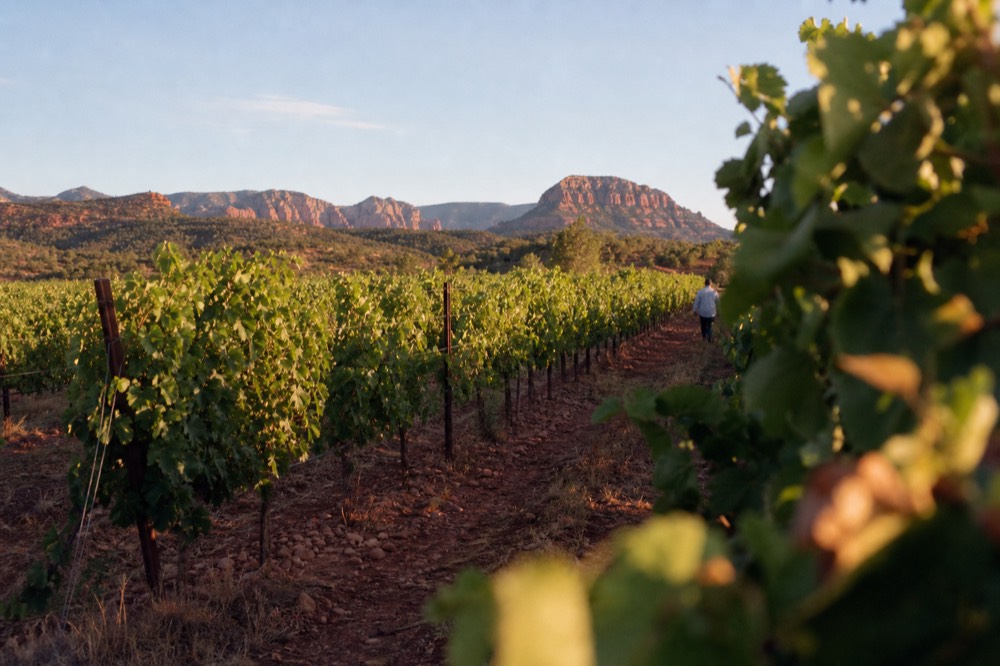
Verde Valley plantings lean Rhone and Italian: Syrah, Sangiovese, Barbera, Malvasia Bianca and Petite Sirah lead, with Cabernet, Chardonnay, Picpoul Blanc and Seyval Blanc alongside them. Order the flight rather than a glass on your first stop, and ask the pourer which wines are estate-grown from the block outside the window.
The variety list is the single most useful thing to read before you come down here, because it tells you not to arrive expecting a California lineup. A 175 to 200 day growing season at elevation, with hot days and cool nights, is closer in character to southern France and central Italy than to anywhere else people usually compare it to. The producers who planted accordingly are the ones making wine worth driving for.
Malvasia Bianca is the one to try if you only try one white. It is not a grape most American visitors have a reference point for, which is exactly why it works: you taste it on its own terms instead of against a memory. On the red side, Syrah and Petite Sirah are where the valley's heat shows up most clearly.
The etiquette part is simple and saves money. Flights exist so you can compare, glasses exist so you can settle, and doing it in that order means your third pour is a wine you chose rather than one you guessed at. Ask which bottles are estate fruit and which are sourced from elsewhere in the state. Nobody at a Verde Valley bar minds the question, and the answer tells you a lot about what you are drinking. If you want the wider version of that conversation, what to expect at an Arizona tasting bar covers the bar-side basics.
| Variety | Type | Where it sits in the valley |
|---|---|---|
| Syrah | Red | Part of the Rhone lean that defines the AVA |
| Petite Sirah | Red | Bigger, warmer-climate red |
| Sangiovese | Red | The Italian side of the planting mix |
| Barbera | Red | Also Italian, widely planted here |
| Malvasia Bianca | White | The signature regional white, unfamiliar in a good way |
| Picpoul Blanc | White | Rhone white, suited to hot days and cool nights |
| Chardonnay, Seyval Blanc, Cabernet | Mixed | Present, but not what the region is known for |
What about D.A. Ranch, the fourth stop people miss?
D.A. Ranch sits in the same Page Springs and Cornville pocket and runs vineyard walking tours Wednesday through Saturday year-round in 2026, at 11am, noon or 1pm. The walk is $55 per person and includes a four-wine tasting and a logo glass to take home.
That is a genuinely different product from a bar pour, and the timing tells you something. Three departures, only four days a week, on a published clock. It is a scheduled experience with a cap, not a drop-in, and the 11am slot is the one that fits a Sedona morning departure cleanly.
The $55 also gives you a clean benchmark for the whole region. A four-wine tasting plus a guided walk plus a glass, for less than the price of two tasting flights in most wine regions in the country, is the quiet argument for the Verde Valley that nobody makes loudly enough. Arizona wine is not cheap because it is bad. It is cheap because 125 planted acres cannot yet command a Napa price.
Four of the twelve tours in the lineup stop at D.A. Ranch, and they skew toward the small-group and private end. That is the pattern in this cluster generally: the bigger the vehicle, the more likely it goes to the wineries with the biggest parking lots.
| Creek-road winery | Tours in our lineup that stop there | Food on site | Typical slot |
|---|---|---|---|
| Javelina Leap | 6 of 12 | Yes, bistro | Every itinerary length, including the 3-hour express |
| Page Springs Cellars | 3 of 12 | Yes, bistro | All-inclusive and private days |
| Oak Creek Vineyards | 3 of 12 | Not documented in current listings | Longer full-day and private runs |
| D.A. Ranch | 4 of 12 | Not documented in current listings | Small-group and private itineraries |
What does a half-day on the creek road look like?
A good half-day is two wineries and one meal, not three wineries and a rush. Leave Sedona around 10am, taste at Page Springs Cellars, cross to Javelina Leap for a late lunch and a second flight, and be back up 89A by mid-afternoon. Total time on the ground is about four hours including the drive.
Half-days fail for one reason: people try to fit a third stop in and end up giving each winery twenty-five minutes. Twenty-five minutes is a bar order, not a visit. Two stops with a meal between them is the version that people actually remember, and it is also the version that keeps a self-driving group inside sensible limits.
The 4-hour tours in the market are built on this same shape. Four hours door to door from Sedona means roughly an hour of driving and three hours of tasting, which is exactly two proper stops. If a four-hour listing promises four wineries, read the fine print on how long you actually stand at each bar.
| Time | Where | What happens |
|---|---|---|
| 10:00 | Leave Uptown Sedona | 89A south, 25-35 minutes down into the valley |
| 10:40 | Page Springs Cellars | Booked cellar or estate tour, or straight to the tasting bar |
| 12:15 | Javelina Leap, across the road | Lunch at the bistro, second flight |
| 13:45 | Back on the road | Uphill return on 89A, allow more than you think |
| 14:30 | Back in Sedona | Afternoon still intact for the red rock |
What does a full day on the creek road look like?
A full day adds a third winery and a real sit-down meal, and it runs six to seven hours door to door. The standard shape is Page Springs Cellars, then Javelina Leap or D.A. Ranch, then Oak Creek Vineyards, with lunch in the middle rather than at the end. Six of the twelve tours in the lineup run at this length.
The full day is where the guided option stops being a convenience and starts being the only responsible plan. Three flights across six hours is a genuine amount of alcohol, and the return climb into Sedona is not a road to be casual about. Every tasting in the valley is 21-plus with ID, and whether under-21 passengers may ride at all is each operator's own policy stated on its own listing, so check that on the specific tour rather than assuming.
Pacing is the thing to get right. Book the D.A. Ranch walk for 11am or noon and everything else falls into place around it, because that is the only stop in the cluster with fixed departure times. Build the rest of the day around the one fixed point, not the other way around.
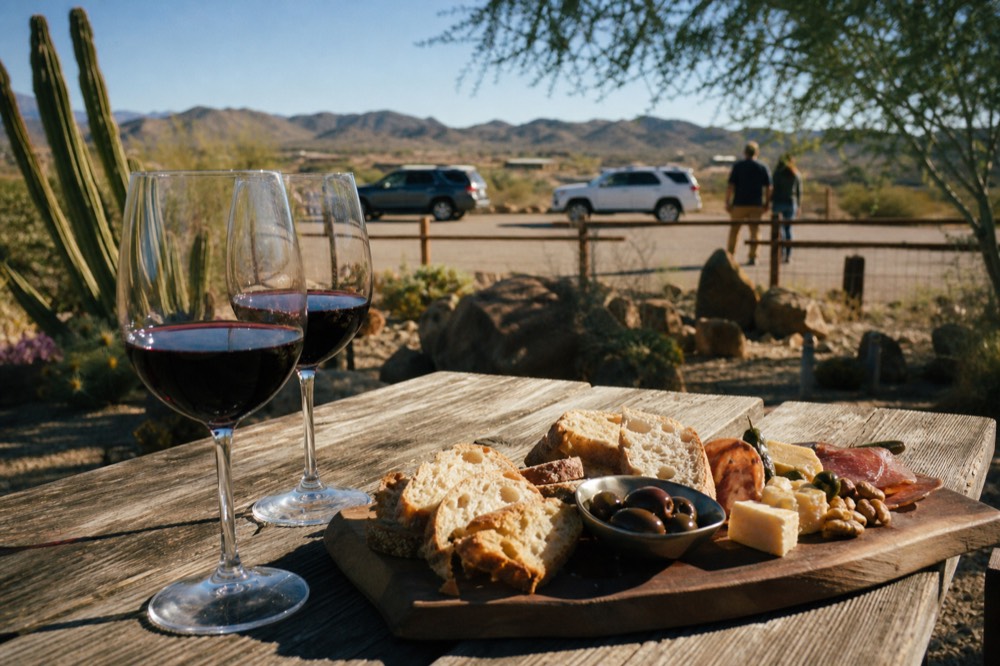
If you would rather not build anything, the six to seven hour limo-style bus is the cheapest way to get a four-winery day with a charcuterie picnic in the middle, and it covers Javelina Leap and Oak Creek Vineyards on this same road, so it is worth seeing what the long four-winery day costs per person next to the self-drive numbers below.
| Time | Where | What happens |
|---|---|---|
| 09:30 | Leave Sedona | Earliest sensible departure for a three-stop day |
| 10:15 | Page Springs Cellars | Estate tour at the winery's own published rate |
| 11:45 | D.A. Ranch | Booked vineyard walk, four-wine tasting, logo glass |
| 13:00 | Javelina Leap | Bistro lunch, the meal that saves the afternoon |
| 14:45 | Oak Creek Vineyards | Third and final flight, slower pace |
| 16:00 | Return leg | Back up 89A into the red rock |
| 16:45 | Sedona | Enough light left for an overlook |
Which tours from Sedona actually stop at Page Springs?
Three of the twelve tours in our lineup name Page Springs Cellars as a stop: the all-inclusive shared day at $199 per person, a private door-to-door custom run from $195 per person, and a private ride giving a full hour each at Page Springs, D.A. Ranch and Oak Creek Vineyards at $472 per group. A Phoenix day tour also includes a Page Springs tasting.
This surprises people, so it is worth saying plainly. Javelina Leap appears far more often than Page Springs Cellars does. That is not a quality judgement, it is logistics: the big shared buses need stops that can absorb a coach-load, and the itineraries that name Page Springs skew toward small groups and private vehicles.
If Page Springs specifically is the point of your day, filter for it rather than booking the cheapest wine tour you find. A $79 express run is excellent value for what it is, but it visits two vineyards in three hours and Page Springs is not one of the two named on the listing.
| Tour type | From price | Length | Names Page Springs Cellars |
|---|---|---|---|
| All-inclusive shared, fees and lunch included | $199 pp | 6h | Yes, with Javelina Leap |
| Private custom, 3-4 stops | $195 pp | 4-6h | Yes, with Alcantara and D.A. Ranch |
| Private ride, an hour per winery | $472 per group | Flexible | Yes, with D.A. Ranch and Oak Creek Vineyards |
| Limo-style bus, up to 4 wineries | $109 pp | 6-7h | No, but stops at Javelina Leap and Oak Creek Vineyards |
| 3-hour express, 2 vineyards | $79 pp | 3h | No, Javelina Leap only |
There is also a long day out of Phoenix that includes a Page Springs tasting alongside Montezuma Castle, from $450, which is a new listing without reviews yet. It is a serious drive at roughly two hours each way, but if you are based in the valley rather than in Sedona, the listing carries the current schedule and price. The feeder routes from Phoenix and Scottsdale get their own treatment elsewhere on this site.
Is it cheaper to drive yourself to Cornville?
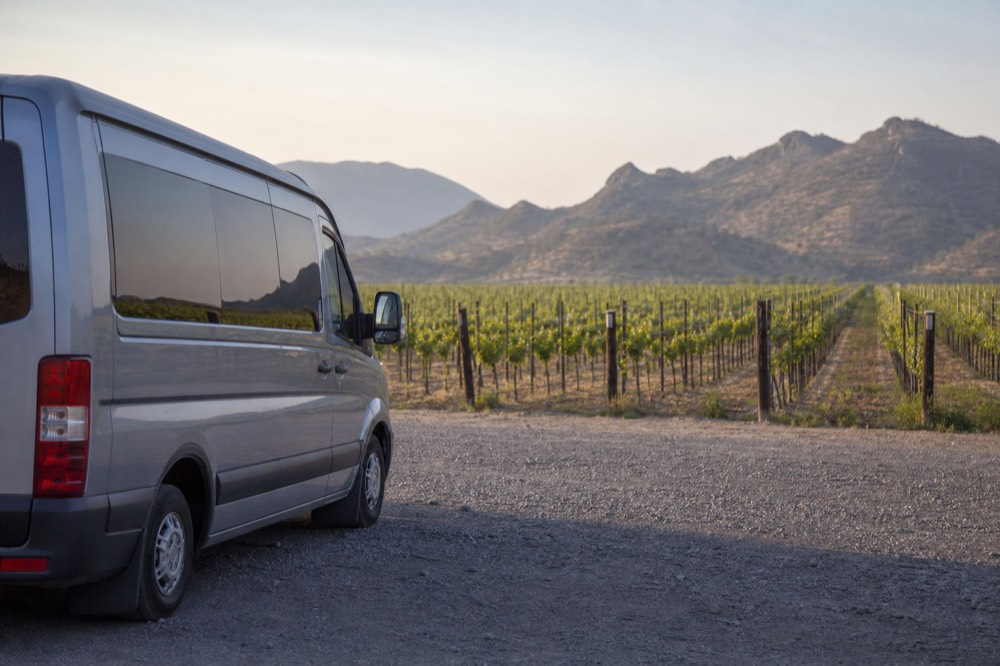
On paper, sometimes. A self-driven three-stop day using the published rates comes out near the middle of the tour range once you count the Page Springs estate tour at $45 and the D.A. Ranch walk at $55, and that is before the two tasting fees you cannot look up in advance. The saving is real only if someone in your party genuinely will not drink.
Run the numbers honestly. Two published experiences alone put you at $100 per person before you have paid a single bar tasting fee, before fuel, and before whatever the driver gives up by not drinking. The all-inclusive shared day is $199 per person with every tasting fee and a made-to-order lunch inside the price, and it is the only listing in the lineup that spells out that all fees are included.
Where self-driving wins is on a two-stop half day with a willing driver, or when your group is four adults and a private vehicle at $469 for up to six splits down to less than a shared seat. Where it loses is the third winery. That is the flight where the maths and the road both stop being on your side.
| Approach | Published costs you can count | What is not included | Best for |
|---|---|---|---|
| Self-drive, two stops | Bar tasting fees only | Fuel, the driver's afternoon | A pair with a designated driver |
| Self-drive, full three-stop day | $45 estate tour + $55 vineyard walk = $100 pp | Two more tasting fees, fuel, the drive home | Groups who want winery-run tours specifically |
| All-inclusive shared day | $199 pp | Nothing on the tasting side; fees and lunch are in | Anyone who wants zero decisions |
| Limo-style bus, 4 wineries | $109 pp | Check the listing on which fees are included | Value seekers on a long day |
| Private vehicle, up to 6 | $469 per group | Tasting fees per the listing | Four or more adults travelling together |
Compare the whole set side by side on the shared vineyard runs or, if the group is small and the schedule is yours, look at the private wine tour options.
When should you come to the creek road?
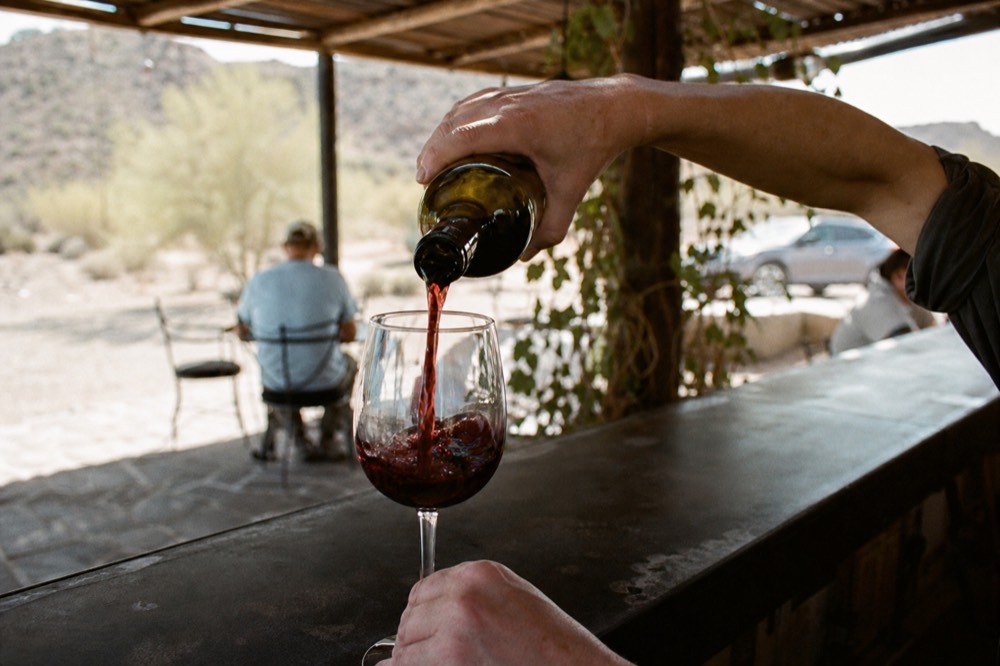
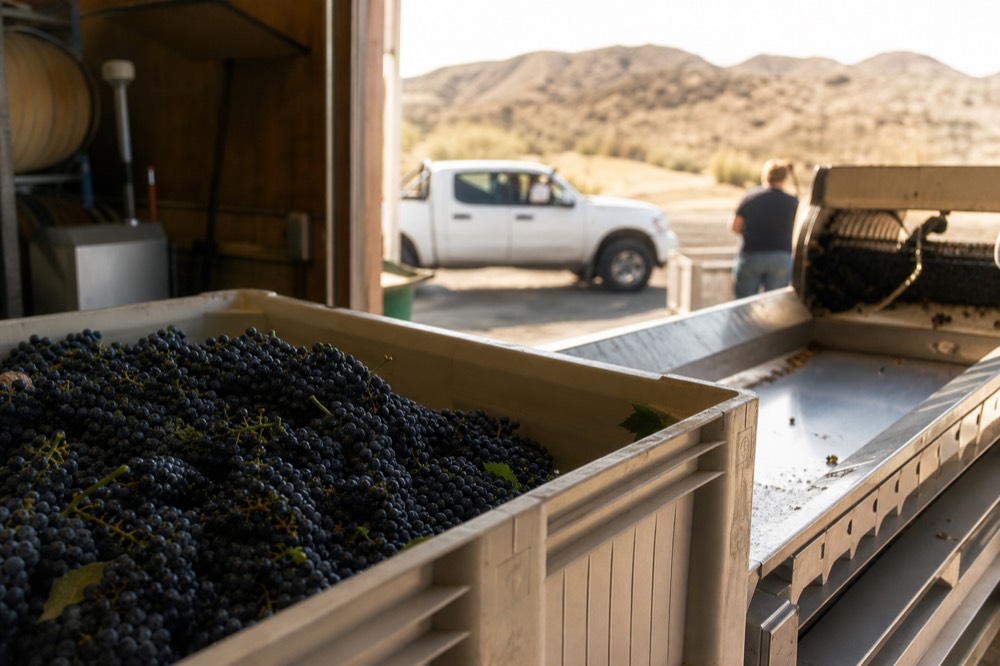
Harvest, roughly mid-August through October, is the best time to be on this road: the Page Springs harvest tours start mid-August, the crush pad is running, and the light on the vines in late October is the best of the year. Spring is quieter and gentler. Midsummer afternoons are hot, so use the 11am slots.
The Verde Valley growing season runs 175 to 200 days, which puts fruit coming in from late summer into autumn. That is when a winery tour shows you a working building rather than a clean one, and it is why the harvest version of the Page Springs estate tour exists as its own priced product.
There is a second, less obvious seasonal factor: daylight and the drive home. In midwinter the return up 89A happens in the dark for anyone who lingers past a late-afternoon flight, and that road in the dark after tasting is not where you want to be improvising. Book earlier slots from November through February.
| Season | On the road | Practical note |
|---|---|---|
| March to May | Vines leafing out, mild afternoons | Easiest walking weather, book the estate tours ahead on weekends |
| June to mid-August | Hot midday, green canopy | Take the 11am D.A. Ranch slot and eat before the second flight |
| Mid-August to October | Harvest, crush pad running | Harvest Estate Winery Tour at $57 with tastings, the best window of the year |
| November to February | Quiet rooms, bare rows | Earlier slots, because the return climb into Sedona is dark by late afternoon |
The wider region has its own rhythm worth knowing about, including a festival calendar and the passport trail. The official Verde Valley Wine Trail covers close to 30 stops across the AVA and runs a passport app for check-ins, and there is more on how to use it in the full trail and passport guide. If you are still deciding on dates, the month-by-month tasting calendar goes deeper than this section does.
Common questions about Page Springs and Cornville
Can you walk between Page Springs Cellars and Javelina Leap?
They face each other across the road, so the physical distance is trivial. The road itself is the problem: it is a narrow two-lane with no real shoulder and drivers who know it well. Crossing on foot happens, but the sensible version is to move the car the fifty yards, or to be on a tour where somebody else deals with it entirely.
Do I need to book the Page Springs Cellars tours in advance?
Yes, treat them as booked experiences rather than walk-ins. They run on a published schedule with three named options at three price points, and the harvest version from mid-August is the one that fills. The tasting bar and bistro are a different matter and keep longer hours, to 8pm Thursday through Saturday.
Are tasting fees included on Sedona wine tours to Page Springs?
Only on some, and the listing is where it is spelled out. The all-inclusive shared day at $199 per person states that every tasting fee plus a made-to-order lunch is inside the price. Other tours in the lineup include lunch or a charcuterie board without saying the same about fees, so read that line before comparing prices.
Is there anything to do here besides drink?
The D.A. Ranch vineyard walk is a real walk, and the Page Springs cellar tour has a $22 to $37 non-tasting rate with ages 12 to 17 free, which makes it workable for a mixed group. Beyond the wine, this is a creek bottom in the desert, which is its own reason to stand outside for a while.
How long should I allow for the drive back to Sedona?
More than the map says. The trip down is 25 to 35 minutes from Uptown, and the return leg climbs, curves and often faces low sun. Add fifteen minutes to whatever your phone tells you, and if the day included three flights, do not be the person driving it.
Which single tour is the best fit for the creek road?
If the goal is Page Springs Cellars with no arithmetic left over, the all-inclusive shared day covers it with Javelina Leap and includes the fees. If you want long, unhurried stops and you are a group of up to six, the private hour-per-winery run covers Page Springs, D.A. Ranch and Oak Creek Vineyards, with the caveat that it is the one non-refundable listing here. Everything else in the full guide library compares the wider set.